I've come across a good article listing how to safely use essential oils. There are entirely TOO many posts out there in the inter-netting-world advising people ingest essential oils. This is a HUGE no-no! Essential oils are potent liquids. Just because they're "natural" doesn't mean they're safe for ingestion. Not only can they potentially damage delicate tissue within the body (if you ingest something, like cinnamon or peppermint), but they can also cause organ failure if you ingest too much (and this can include over a long period of time, not necessarily all at once).
Just because something is labelled "natural" doesn't mean it's safe. Herbs such as Belladonna and Nightshade are natural plants, however they are HIGHLY poisonous; Sharks and Anacondas are natural, however they are predatory animals.
Personally I believe it to be irresponsible of "certain companies" (I won't name names) to boast the "therapeutic grade" of their oils. For one thing, there is no organization that regulates the consumptionability of essential oils. Second there is no such thing as "therapeutic grade". Oils are oils and are extracted (basically) the same way and regardless of how they are extracted, their composition is mostly the same (give or take depending on the oil).
But enough about my own cautions about essential oils and ingestion, here is the link. I suggest anyone looking to start using oils look this over first:
A Short PSA: Using Caution and Care with Essential Oils
Showing posts with label Essential Oils. Show all posts
Showing posts with label Essential Oils. Show all posts
Tuesday, March 3, 2015

Friday, November 7, 2014
Essential Oils vs. Herbal Infusions
In my earlier days as an early Pagan, I always wanted to make my own oils. Reading online I found several different ways to make oils for use in my practice, however nowadays, the more I look into essential oils, I realize that the suggestions given on so many (Pagan) sites on how to make oils are NOT instructions to make essential oils...they're directions to make herbal oil infusions. There IS a difference.
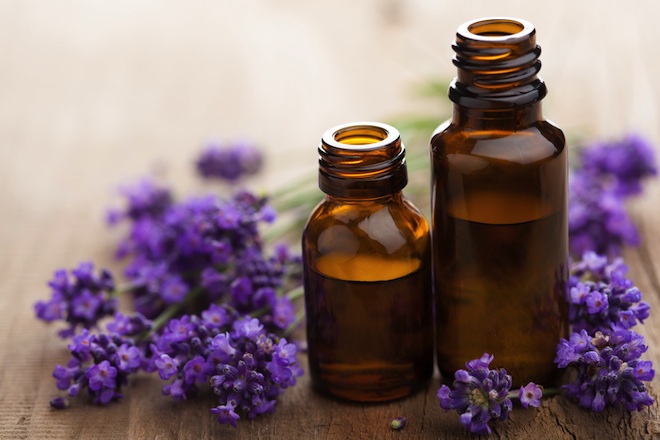 |
| Image from "MindBodyGreen.com" |
To make essential oils is an extensive distilling process. For one thing, essential oils aren't actually oils. Oils are a viscus fluid that leave a slippery residue. Essential oils don't leave a residue, unless they are a resin (i.e. frankincense, myrrh, etc), and even then it's very little. To tell if an oil is pure you place a drop on a piece of paper and allow it to dry. If it leaves no ring, it's pure (again, though, a resin may leave some sort of evidence behind).
An oil infusion is a concoction that is made when plants are allowed to infuse their scent into a carrier oil (essential oils are not created in a carrier). One adds a generous amount of plants into a container of carrier (i.e. mineral oil, olive oil, etc), and allows it to sit for several weeks, shaking the blend in between and changing the herbs periodically until they achieve the desired scent. They then strain the oil and use it for whatever they desire it for.
 |
| Image from "Levooil.com" |
Now, there's nothing wrong with oil infusions. They can most definitely work the same as an essential oil (in a craft setting). The only difference (aside from their composition) is cost. You can buy dried herbs for quite cheap at any grocery store, department store and even dollar store. Some grocery stores also stock fresh herbs you could take home and either make infusions with while still fresh OR dry them on your own. The down side would be selection. You're not likely to make frankincense infusion from products from the dollar store. If you want to make an infusion such as this you would need to order online (and that's your prerogative, absolutely, it just may start costing you more).
Essential oils and oil infusions are NOT the same thing. So if you encounter someone saying you can create your own "essential oils", one should correct that unless you have the proper distilling equipment, you cannot make your own essential oils and the suggestion made is to make an oil infusion instead.
A side note, herbal oil infusions will not have the same medicinal and health benefit that pure essential oils would because they are not directly expressed from the plant, therefore cannot be used in the same way as essential oils. Oil infusions CAN be used in the same manner as essential oils in practices such as Witchcraft for anointing candles and additions to spells, etc.
---------------------------------------------------------------
**UPDATE**
I just wanted to make an addition here. I want to provide examples of people mis-labelling "oil infusions" as "essential oils".
Remember...to make an essential oils is an extensive distilling process. It doesn't involve immersing herbs into a carrier oil until the desired scent is reached. There are no carrier oils within an essential oil. Essential oils are added TO carriers, not made from them.
The following links are written by the same person. For some reason, they believe that essential oils and infusions have the same composition and potency. This is incorrect. BECAUSE essentials are directly expressed, you're getting nothing but pure plant extract, and with it comes the plants defenses (i.e.peppermint plant can burn the skin upon contact, which is why it should be diluted in a carrier; orange oil is photosensitive and therefore shouldn't be applied to the skin if you plan on going out into the sun, directly after application, etc). Infusions are merely scent with remnants of loose plant pieces that diluted in the oil. Because they're already immersed IN a carrier, they are not so potent that they would injure you externally.
"Homemade Essential Oil Recipes"
"How to make your own Peppermint Essential Oil"
Now, it IS possible to make your own essential oils, and it WOULD be exponentially cheaper in that capacity (if you plan on using a LOT of oils, or plan on selling them...if not, then it'd be more expensive on that end). Here is an example of how you can make (properly) your own oils at home:
"Make your own REAL Essential Oils"
If you'll notice, they're using a distiller, not simply immersing plants into an carrier and leaving it soak for weeks on end, with some shaking between. If you're wanting to make your own oils, don't think immersion produces the same type of oil as distillation does. They're distinctly different.
---------------------------------------------------------------
**UPDATE**
I just wanted to make an addition here. I want to provide examples of people mis-labelling "oil infusions" as "essential oils".
Remember...to make an essential oils is an extensive distilling process. It doesn't involve immersing herbs into a carrier oil until the desired scent is reached. There are no carrier oils within an essential oil. Essential oils are added TO carriers, not made from them.
The following links are written by the same person. For some reason, they believe that essential oils and infusions have the same composition and potency. This is incorrect. BECAUSE essentials are directly expressed, you're getting nothing but pure plant extract, and with it comes the plants defenses (i.e.peppermint plant can burn the skin upon contact, which is why it should be diluted in a carrier; orange oil is photosensitive and therefore shouldn't be applied to the skin if you plan on going out into the sun, directly after application, etc). Infusions are merely scent with remnants of loose plant pieces that diluted in the oil. Because they're already immersed IN a carrier, they are not so potent that they would injure you externally.
"Homemade Essential Oil Recipes"
"How to make your own Peppermint Essential Oil"
Now, it IS possible to make your own essential oils, and it WOULD be exponentially cheaper in that capacity (if you plan on using a LOT of oils, or plan on selling them...if not, then it'd be more expensive on that end). Here is an example of how you can make (properly) your own oils at home:
"Make your own REAL Essential Oils"
If you'll notice, they're using a distiller, not simply immersing plants into an carrier and leaving it soak for weeks on end, with some shaking between. If you're wanting to make your own oils, don't think immersion produces the same type of oil as distillation does. They're distinctly different.
Subscribe to:
Posts (Atom)